
Occupational medicals
Food handler medicals
Keep your food safe and your audits clean. We do food handler medicals for food factories, kitchens and packhouses at your site in our mobile units, with a food handler medical certificate for each employee, signed by a SANC-registered occupational health nurse. We work with food businesses across Cape Town.
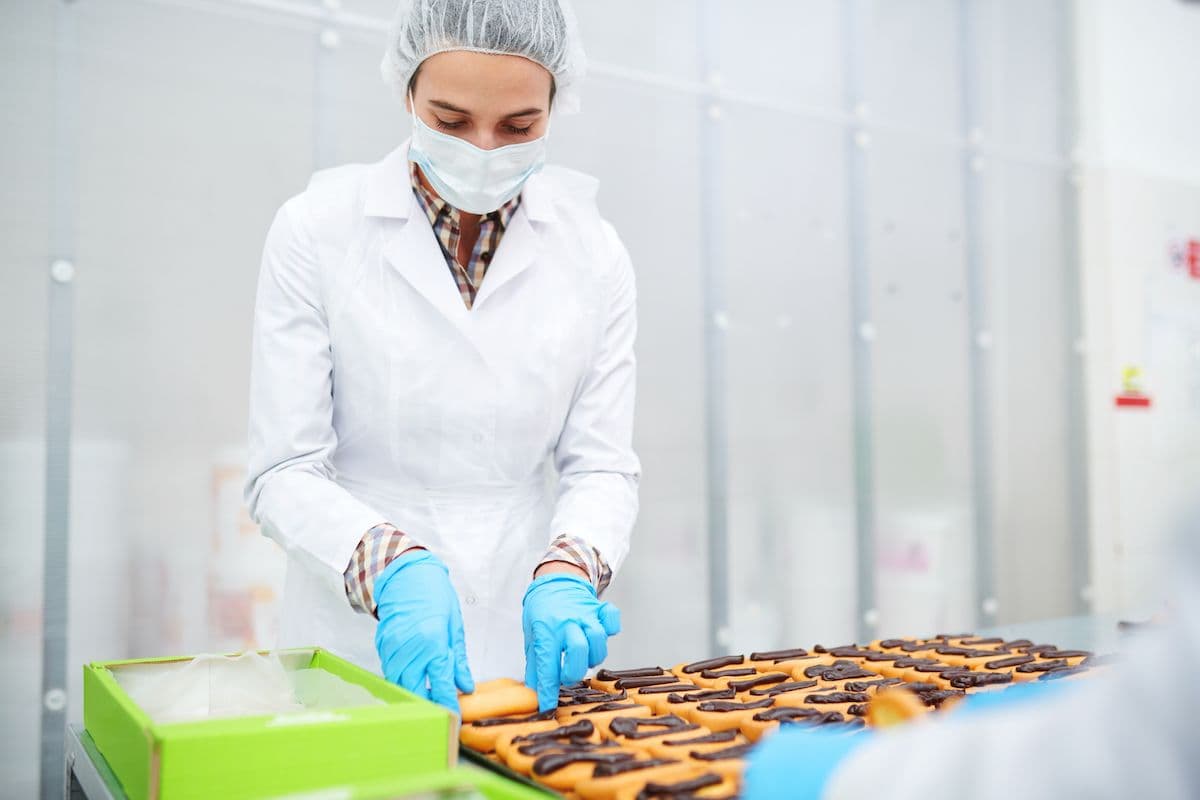
Why food handlers need medicals
A food handler who is ill, or carries an infection, can contaminate food and make your customers sick. One incident can lead to a product recall, a failed audit or lost contracts.
South African food hygiene law, under the Foodstuffs, Cosmetics and Disinfectants Act 54 of 1972, requires food premises to make sure that people who handle food don't pose a health risk to it. Food safety standards such as FSSC 22000 and BRC also expect you to have a medical screening process for food handlers, and auditors will ask to see your records.
Many of our clients are food and beverage manufacturers, so we know what auditors look for. A food handler medical combines a health questionnaire with the right occupational tests for the job, because food factory workers are often exposed to noise, cold rooms and cleaning chemicals too.
What's included
A typical food handler medical includes:
- A signed consent form and medical history questionnaire
- A food handlers questionnaire covering infections and symptoms that could affect food safety
- A physical examination: heart and lungs, reflexes, eyes and ears
- Vision screening (Snellen chart)
- Height, weight and BMI
- Blood pressure
- Urine screening, including a glucose indication
- Audiometry for employees working in noisy production areas
- Spirometry only where the job involves dust or fumes, such as flour or spice handling
- A certificate of fitness, signed by a SANC-registered occupational health nurse
How it works
- Send us your list. Employees due for medicals and their roles, for example production, packing, kitchen, cleaning or dispatch.
- We plan around hygiene zones. We schedule employees so production areas stay staffed, and we work around your shift changes.
- Medicals on site. The mobile unit parks outside the production area, so employees don't need to leave the premises.
- Certificates and audit records. You receive a certificate for each employee and a summary list for your food safety file, ready for your next audit.
- Ongoing. Food handlers are typically re-screened annually, and new starters before they begin handling food.
Ready for your food safety audit
Auditors working to FSSC 22000, BRC or your customers' own standards will usually check that:
- New food handlers were medically screened before starting work.
- There's a process for staff to report illness, and for returning to work after illness.
- Medical records are current and on file.
We give you certificates and a clear summary list, so these questions are easy to answer. If you're working towards a food safety or quality certification, our ISO consultants can help you build the whole system around it.
Who needs one
- Production and processing staff in food and beverage factories
- Packers and packhouse workers
- Kitchen and catering staff
- Bakery and confectionery workers
- Cleaning and hygiene teams in food areas
- Supervisors and quality controllers who enter production areas
industries: Food and beverage manufacturing · Fishing and seafood processing · Spice and condiment producers · Dairy · Wine and beverages · Catering and hospitality
Legal referencesThe Acts and regulations behind this service
| Law | Section | What it requires |
|---|---|---|
| Foodstuffs, Cosmetics and Disinfectants Act 54 of 1972 | Regulations Governing General Hygiene Requirements for Food Premises (R638 of 2018, which replaced R962 of 2012) | Food handlers must not pose a health risk to the food they handle. |
| Occupational Health and Safety Act 85 of 1993 | Section 8 | Employers must keep the working environment safe and without risk to employees' health. |
| FSSC 22000 and BRC (food safety standards) | Personnel hygiene and medical screening requirements | Certified sites need a medical screening process for food handlers. |
Is a food handler medical certificate required by law in South Africa?
The hygiene regulations for food premises (R638 of 2018, under the Foodstuffs, Cosmetics and Disinfectants Act 54 of 1972) require food premises to make sure food handlers don't pose a health risk to food. They don't prescribe a specific certificate, but a food handler medical is how most businesses meet this duty and prove it, and food safety standards such as FSSC 22000 and BRC expect a medical screening process.
How often do food handlers need a medical?
Food handlers should be screened before they start handling food, then usually once a year, which is the interval most food safety standards and auditors expect. Employees returning to work after an illness that could affect food safety should also be cleared before going back into production.
What does the food handlers questionnaire cover?
The questionnaire asks about recent and current symptoms and infections that could contaminate food, such as stomach illness, skin infections and wounds. It's completed confidentially with the occupational health nurse, together with the physical examination, as part of the food handler medical.
Can you combine food handler medicals with other medicals?
Yes. Many food factory employees also work in noisy or dusty areas, so we combine the food handler screening with audiometry or spirometry in one visit. That means one medical per employee, one certificate and less time away from the line.
Get in touch
Book food handler medicals
Tell us how many food handlers need medicals and where, and we'll schedule the mobile unit around your production.
- Phone064 549 5312
- Emailinfo@bmsholdings.co.za
- AddressThe Colosseum, First Floor, Century Way, Century City, Cape Town, 7441