
SHEQ SERVICES · CONSTRUCTION SAFETY
Construction safety files
Project-specific health and safety files for principal contractors and subcontractors. Each file is built to the Construction Regulations 2014, tailored to the actual job and written to protect your management team, not just to tick a box for the client. We prepare construction safety files for projects in Cape Town.
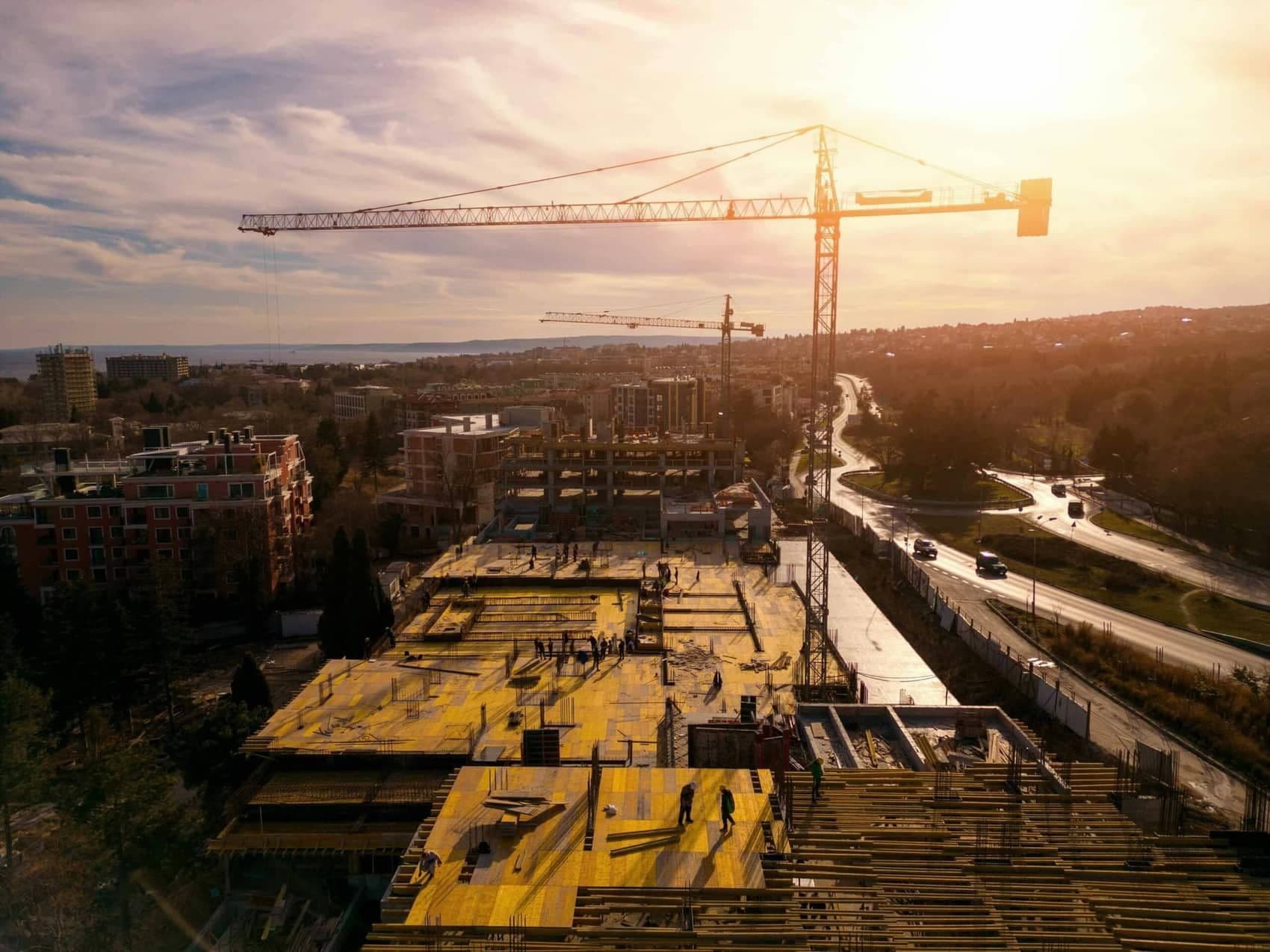
Construction is high-risk. Your safety file should prove you know it.
Construction sites change every day: new trades, new heights, new equipment, new hazards. That's why incidents on construction sites are so frequent, and why the Construction Regulations 2014 set out detailed duties for clients, designers, principal contractors and contractors.
Many safety files are window dressing: generic templates with the project name swapped in. They might pass a quick look, but they don't protect anyone when something goes wrong. Every project also starts again from zero, with money spent on health and safety that builds nothing for the business.
BMS does it differently. We treat each safety file as a mini health and safety management system for the project. It's purpose-driven and specific to the job, and built so your own team gets more capable with every project rather than paying for the same documents again and again.
What's in a BMS safety file
- Health and safety plan designed to protect the employer, based on the client's health and safety specification
- Risk assessments: a baseline for the project plus issue-based assessments for high-risk tasks
- Method statements and safe work procedures for each activity
- Legal appointments with the full duties of each appointed person written in, so responsibilities are clear and controlled
- Fall protection plan where work at height is involved
- Section 37(2) agreement setting out health and safety responsibilities between the client and contractor
- Emergency plan and site emergency procedures
- Registers and inspection checklists: equipment, ladders, scaffolding, tools, PPE
- Proof of competence and fitness: training records and Annexure 3 medical certificates for workers
- Environmental controls for dust, waste, noise and spills
- Wider legal compliance: municipal by-laws, the Basic Conditions of Employment Act, hazardous substances legislation and applicable SANS standards
How it works
- Project brief. Send us the client's health and safety specification, the scope of work and the programme.
- Site visit. We visit the site (or review drawings for a new project) to understand the real hazards.
- Compile the file. We build the safety file for your project, trades and team.
- Client approval. We submit it to the client or their health and safety agent and handle any queries.
- On-site support. If needed, we do site inspections and audits, keep the file updated as the project changes, and close it out at handover.
Who it's for
- Principal contractors who need a health and safety plan and site file for a new project
- Subcontractors (electrical, plumbing, shopfitting, steel, roofing, painting) asked to submit a safety file before going on site
- Clients and developers who need a health and safety specification and baseline risk assessment for their project
- Maintenance and facilities contractors working on client premises under a Section 37(2) agreement
Need a file fast? My Safety File, a BMS Holdings company, generates a site-specific construction safety file of 351 documents online in about 8 minutes, for R500. For complex or high-risk projects, our consultants build and maintain the file with you.
The law behind itThe Acts and regulations behind this service
| Law | Section | What it requires |
|---|---|---|
| Construction Regulations 2014 | Regulation 5 | The client must prepare a baseline risk assessment and a health and safety specification, appoint the principal contractor in writing and check the health and safety plan. |
| Construction Regulations 2014 | Regulation 7 | The principal contractor must provide a health and safety plan based on the client's specification and open and keep a health and safety file on site. Contractors have matching duties. |
| Construction Regulations 2014 | Regulation 9 | A documented risk assessment by a competent person before work starts. |
| Construction Regulations 2014 | Regulation 10 | A fall protection plan where there's a risk of falling. |
| Construction Regulations 2014 | Annexure 3 | Medical certificate of fitness for construction workers. |
| Occupational Health and Safety Act 85 of 1993 | Section 37(2) | A written agreement can transfer certain health and safety responsibilities to a mandatary (contractor). |
What is a construction safety file?
A construction safety file, or health and safety file, is the set of documents a contractor keeps on site to show they're managing health and safety under the Construction Regulations 2014. It includes the health and safety plan, risk assessments, method statements, legal appointments, training and medical records, inspection registers and the emergency plan.
Does every contractor need a safety file?
Yes. Under the Construction Regulations 2014, the principal contractor must open and keep a health and safety file on site, and every contractor working on the project must have one for their own work. Clients usually ask subcontractors for their safety file before allowing them on site, so it's often a condition of getting paid for the job.
How long does it take to compile a safety file?
It depends on the size of the project and how quickly we get the client's specification and your company documents. A simple subcontractor file can be turned around quickly, while a principal contractor file for a large project takes longer. Tell us your start date and we'll confirm the timeline in the quote.
What is a Section 37(2) agreement?
A Section 37(2) agreement is a written agreement between an employer and a mandatary, usually a contractor, under the OHS Act. It records that the contractor takes responsibility for health and safety for their own work and people. Without it, the employer can be held liable for the contractor's acts or omissions.
Do construction workers need medicals?
Yes. Construction workers need a medical certificate of fitness under the Construction Regulations 2014, issued on the Annexure 3 form by an occupational health practitioner. The tests depend on the work: typically a physical exam, hearing and lung function, with extra tests for exposures such as asbestos. Our mobile units do Annexure 3 medicals on site.
Get in touch
Get on site with a file that holds up
Send us the client's specification and we'll quote for your safety file.
- Phone064 549 5312
- Emailinfo@bmsholdings.co.za
- AddressThe Colosseum, First Floor, Century Way, Century City, Cape Town, 7441